
Research theme 1.1:
The importance of knowledge systems and values for different understandings of sustainable land use
Here we examine how different knowledge systems (scientific, traditional, local and indigenous knowledge) can be used to understand and work with sustainable land use, with particular emphasis on the values attributed to nature. The work will highlight how different actors working with land use issues (planners, researchers, educators, indigenous and local populations, decision-makers and business actors) use different types of knowledge to define what is sustainable land use, and to what extent justice perspectives are included in these understandings.
Furthermore, the work package will examine the implications of this for the mitigation hierarchy (avoid, minimize, restore and compensate), and in particular for restoration and remediation measures. The work will help identify possible avenues for coordination and bridging between different knowledge bases.
-

Katrina Ronningen
Responsible, Ruralis
-
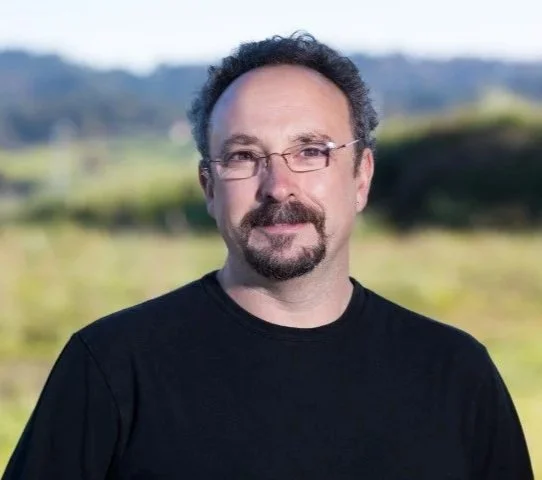
Unai Pascual
BC3
-
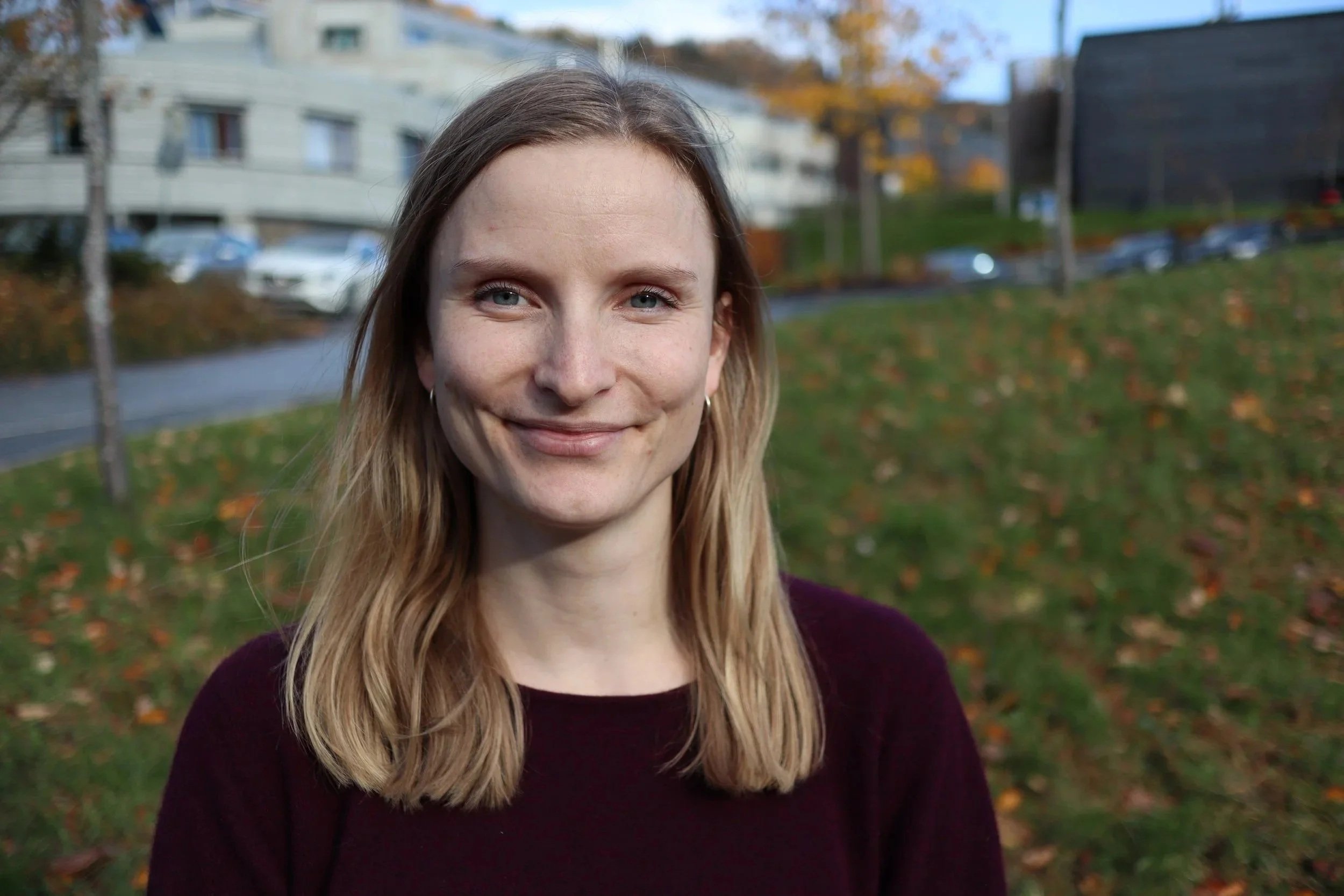
Karen Richardsen Moberg
Western Norway Research Institute
Research results
Reports, scientific articles etc. are expected in 2027.